Wildlife and Farm Animal
Rehabilitation Centre & Sanctuary
Every Animal Deserves a Second Chance
Some scars carry little meaning — but others tell stories of survival, resilience, and hope. At SCAR, we honour those stories by giving injured, orphaned, displaced, and neglected animals the care, safety, and compassion they deserve.
We listen the way the wild listens — with presence, humility, and respect. The kind of listening Anna Breytenbach teaches: the listening that says “I see you. I hear you. You matter.”
“Some of our scars carry little meaning, but some have a lot to say,
whether to our shame or our glory, depending on the injury.
Scars must mean they are not a defect, but a glory. (Luke 24:39–40)”
The five Freedoms
Every animal in our care is protected by these foundational principles. These are not guidelines. They are our ethics.
1
Freedom from hunger and thirst – by ready access to fresh water and a diet to maintain full health and vigor.
2
Freedom from discomfort – by providing an appropriate environment including shelter and a comfortable resting area.
3
Freedom from pain, injury, or disease – by prevention, rapid diagnosis, and treatment
4
Freedom to express normal behavior – by providing sufficient space, proper facilities and company of animal kind
5
Freedom from fear and distress – by ensuring conditions and treatment that avoid mental suffering.
What We Do
Wildlife Rescue & Rehabilitation
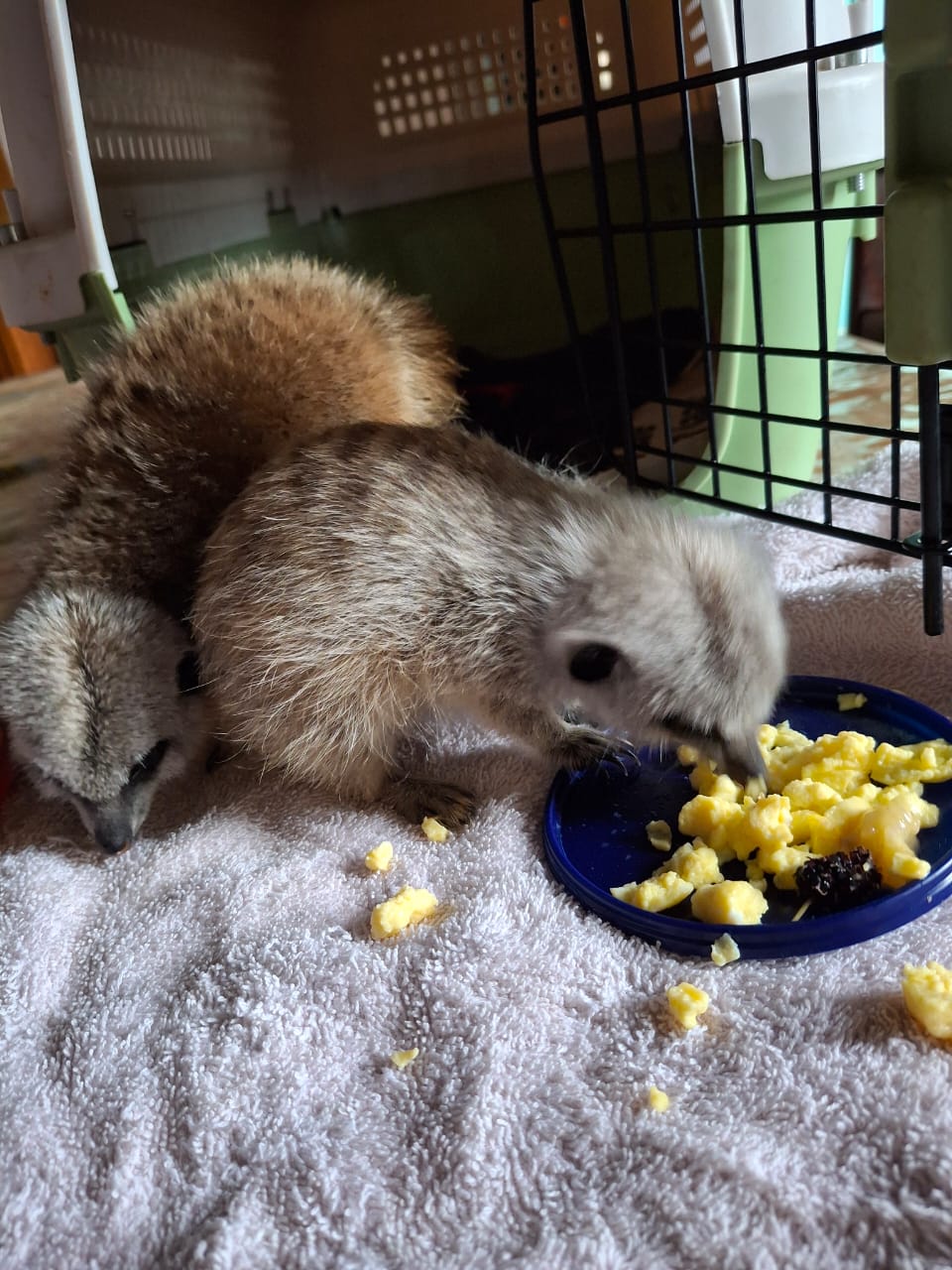
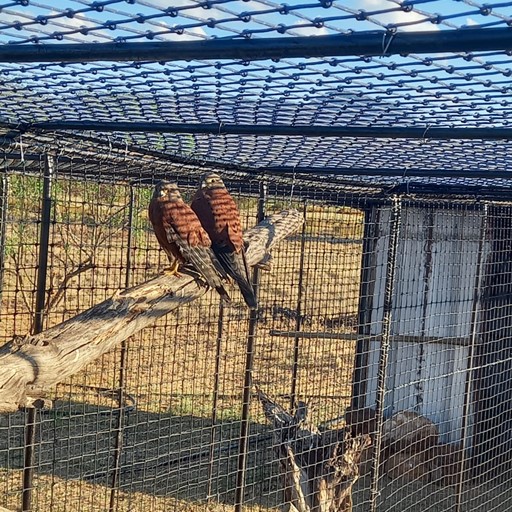
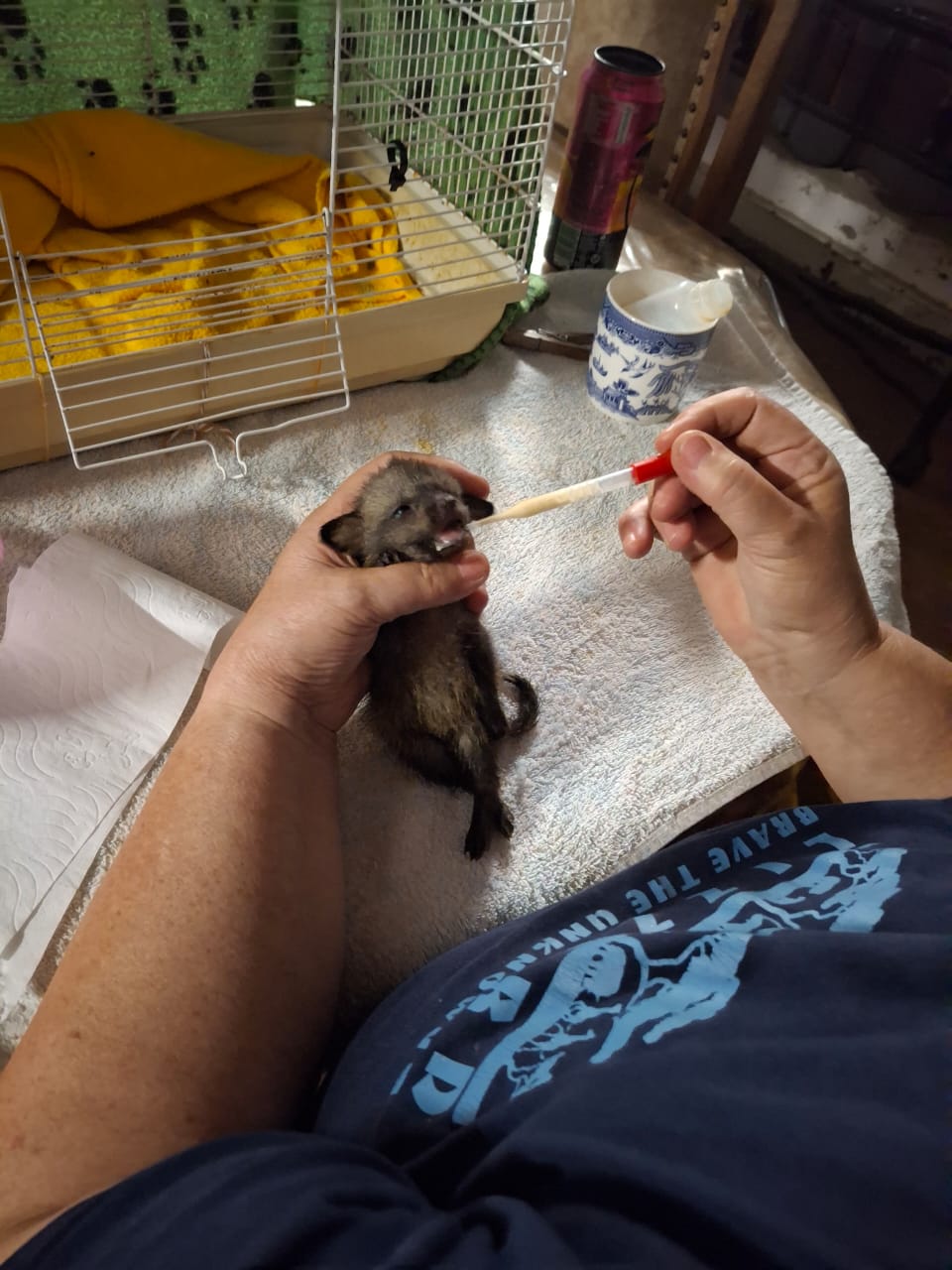
We care for sick, injured, and orphaned wildlife following CapeNature guidelines, ensuring safe rescue, treatment, rehabilitation, and release.
Farm Animal Rescue
We take in neglected or abandoned farm animals suffering from poor care, lack of resources, or hardship — giving them safety, nutrition, and medical support.
Companion Animals
We rehabilitate rabbits, chinchillas, parrots, guinea pigs, hamsters, birds, and reptiles (excluding snakes), and responsible rehoming where appropriate
We no longer take in cats and dogs, as dedicated centres already exist for them.
Horse & Donkey Rehabilitation
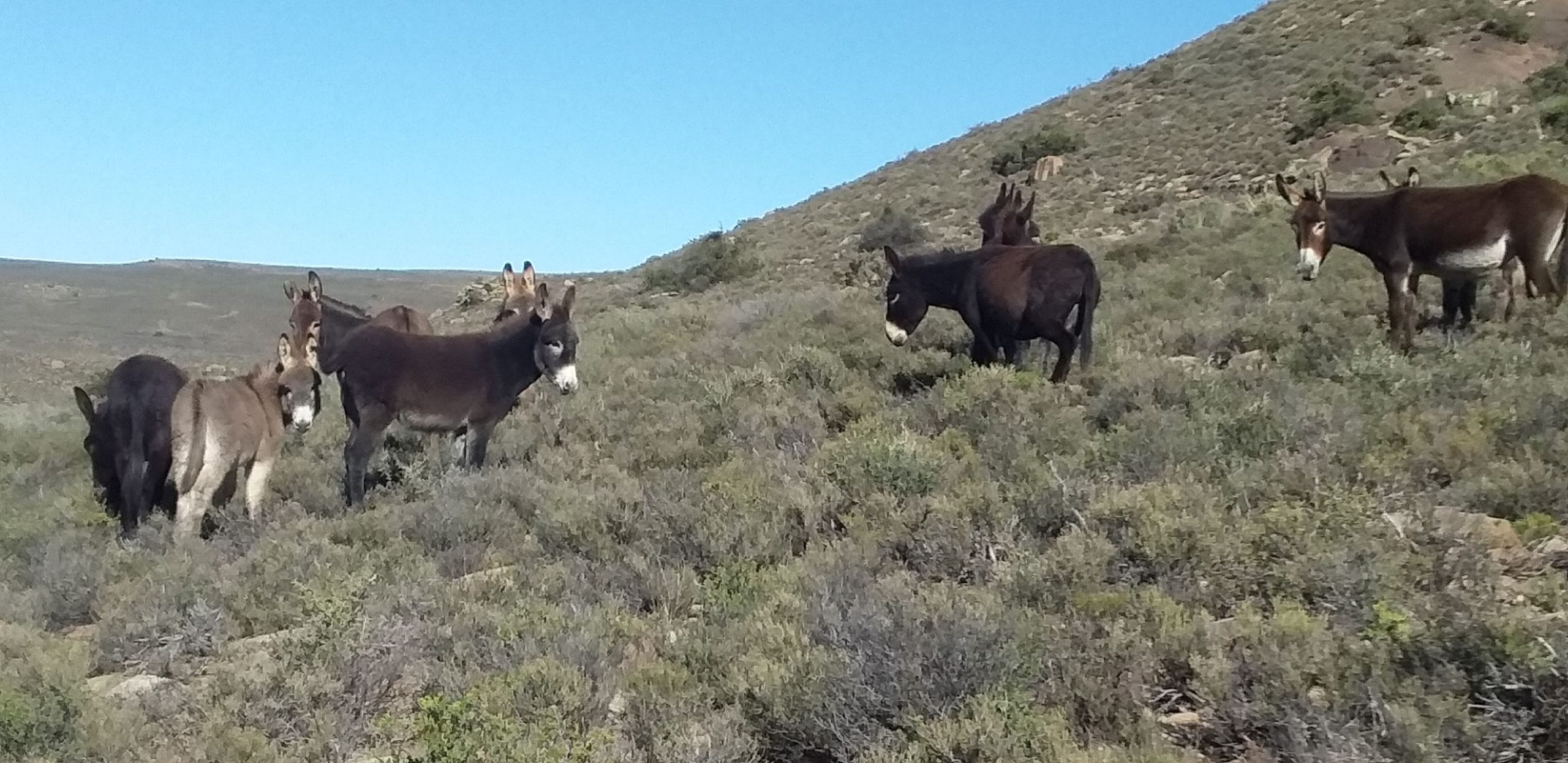
Equines often carry silent burdens. We restore strength, trust, and dignity to horses and donkeys who have suffered neglect or abandonment. We provide care for mistreated, underfed, neglected, offering medical treatment, nutrition, and emotional recovery.
Long‑term sanctuary when release or rehoming is not possible
Why SCAR Matters
SCAR Wildlife & Farm Animal Rehabilitation Centre & Sanctuary was created to be a safe haven for animals who have nowhere else to go. A place where suffering ends, healing begins, and life is honoured.
Without SCAR, countless animals would starve, freeze, or be raised by untrained members of the public — creating dangerous habituation and public health risks.
We exist to prevent that.
Mission
To rescue, raise, rehabilitate, and release wildlife, companion animals, farm animals, horses, and donkeys in need.
“To give every animal a second chance, a safe place, and the care they need and deserve.”
Vision
A safe haven where injured, orphaned, and displaced animals can heal, grow, and, whenever possible, return to their natural habitats. We are committed to ethical rehabilitation, conservation through education, and protecting the vital role every species plays in our ecosystem.
Our Commitments
- Compassionate care and ethical rehabilitation
- Protection of biodiversity and vulnerable species
- Opposition to canned hunting and animal exploitation
- Education and awareness to strengthen human–wildlife coexistence
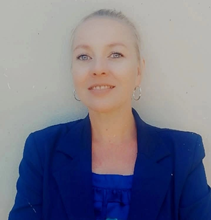
OUR TEAM
Community Engagement Plan
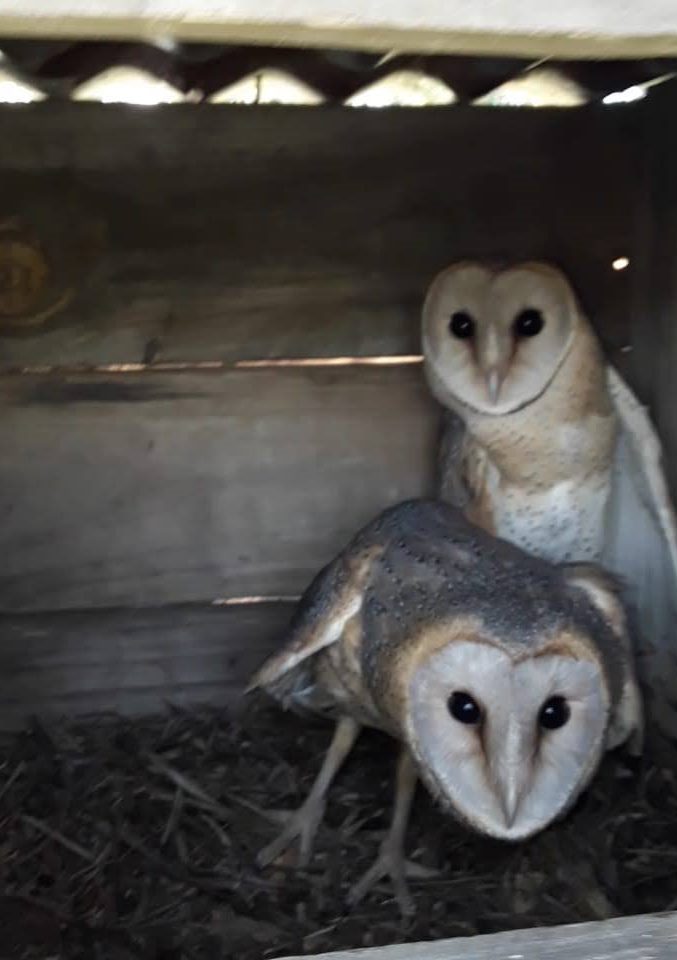
Our success depends on both expert care and active community involvement. We work with volunteers, run educational programmes, build nesting boxes, and support local communities through food and clothing initiatives.
How You Can Help
Your support helps fund:
- Food and medical care
- Rehabilitation facilities
- Sanctuary infrastructure
- Community projects
Sponsor or Adopt
- Help support an animal’s recovery journey.
Volunteer
- Join our team and make a direct impact.
SCAR Funding & Development
A transparent overview of how SCAR is funded, how we grow, and how we sustain long term rehabilitation and sanctuary work.
How SCAR Is Funded
Founders & Core Funding
The initial development and construction of the Centre are funded by the Owners/Founders, who provide, infrastructure, and foundational resources for the rehabilitation and sanctuary facilities .
Operational Support
Daily operational costs — including food, medical care, rehabilitation supplies, and facility maintenance — are supported through donations, adoption programmes, and funding projects managed by the Owners/Founders .
As awareness grows within the community, SCAR expects donor support to increase steadily over time .
🧡 Current Funding Streams
Donations & Sponsorships
SCAR receives support from individual donors and sponsors who contribute toward food, infrastructure, and essential facilities on the land dedicated to rehabilitation and sanctuary work .
Adoption & Sponsorship Programmes
Animals in long‑term care or sanctuary may be sponsored or adopted, helping fund their ongoing needs.
Volunteer Programme (In Development)
SCAR is exploring a structured volunteer programme as an additional source of support, enabling community members and international volunteers to contribute time, skills, and resources .
International Funding Opportunities
We are actively working toward accessing international funding groups to strengthen long‑term sustainability and expand rehabilitation capacity .
🌍 Income‑Generating Conservation Projects
Wildlife Translocation & Exchange Initiatives
These projects support broader conservation goals while generating income to help fund the Centre’s operations and development .
Invasive Fish Species Projects
SCAR aims to assist with projects addressing invasive fish species in freshwater dams. These initiatives:
- Support ecological restoration
- Provide fish to local communities
- Generate funding for the Centre’s sustainability
📣 Awareness & Community Growth
At present, awareness of SCAR is spread mainly through word of mouth, as the website and Facebook page are still under construction . This means sponsor numbers are currently limited, making funding projects essential for sustaining operations and development These funding projects are therefore essential to sustaining the Centre..
Without these funding streams, the continued operation and growth of the Centre would not be possible
Development phases:
SCAR’s development is ongoing and includes:
Expansion of rehabilitation facilities
Construction of sanctuary areas
Improvement of medical and recovery spaces
Growth of community engagement programmes
Development of conservation projects
These phases are supported by donations, sponsorships, and project‑based funding.
Donation Details | Registration nr
Your compassion becomes their second chance, help us heal the wounded animals, together we restore what was lost, hope is a team effort — join ours
Bank Details: FNB, Gold Business Account, SM Dippenaar trading as Scar, Account Number 63099336456, Branch code 255355, Swift Code FIRNZAJJ
SCAR- WILDLIFE AND FARM ANIMAL REHABILITATION CENTRE AND SANCTUARY Registration Number: NPC 2024/037594/08
Location & Habitat
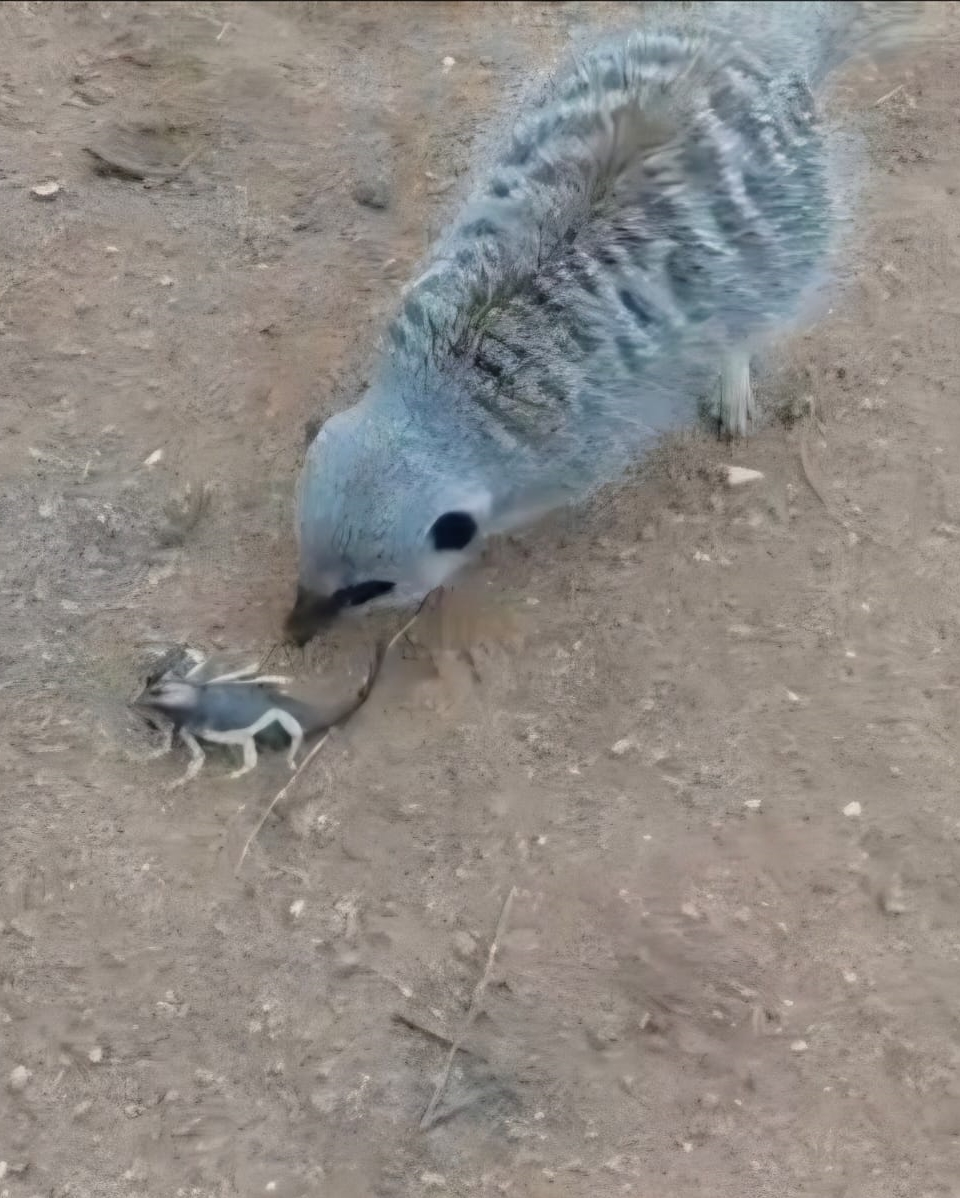
Wildlife in the Clanwilliam/Cederberg area includes Cape leopard, caracal, African wild cat, baboons, dassies, grey rhebuck, klipspringer, duiker, grysbok, aardvark, porcupine, honey badger, Cape clawless otter, bat-eared fox, Cape fox, aardwolf, mongoose, genet, reptiles and more than 100 bird species.
SCAR is 100% committed to the welfare of wildlife, farm animals, companion animals, Horses and donkeys
Grootfontein Farm
+27 (0)65 505 1854
scarwildlife@gmail.com